A Complete Guide to Preparing Your Vehicle for High-Altitude Adventures
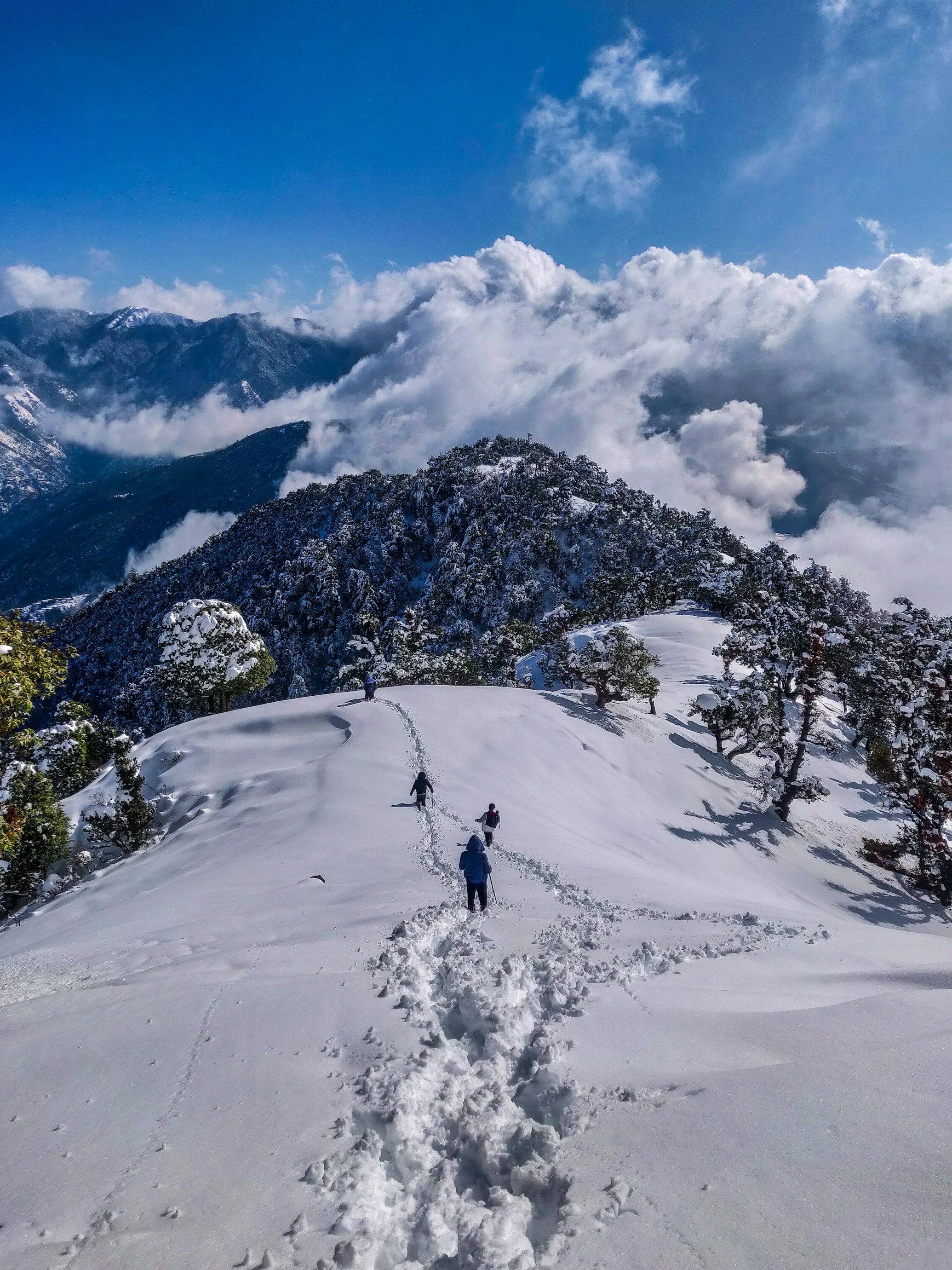
A Complete Guide to Preparing Your Vehicle for High-Altitude Adventures
Driving at high altitudes presents unique challenges that require specific vehicle preparation. Whether you’re planning to cross 18,000-foot passes in Ladakh or navigate mountain roads in Nepal, proper vehicle preparation is essential for safety and success.
Understanding High-Altitude Challenges
Engine Performance
At high altitudes, the air is thinner, containing less oxygen. This affects engine performance significantly:
- Power Loss: Expect 3-5% power loss per 1,000 feet above sea level
- Fuel Mixture: The engine may run rich due to less oxygen
- Turbo Advantage: Turbocharged engines perform better at altitude
Other Altitude Effects
- Cooling system operates differently
- Fuel vaporizes more easily
- Tire pressure increases
- Battery performance may decrease
Essential Pre-Trip Maintenance
1. Engine and Fuel System
What to Check:
- Change engine oil and filters
- Inspect fuel injection system
- Clean or replace air filters
- Check spark plugs and ignition system
- Ensure fuel lines are in good condition
Pro Tip: Use synthetic oil for better performance in extreme temperatures.
2. Cooling System
Your cooling system works harder at altitude:
- Flush and refill with fresh coolant
- Check radiator for leaks or damage
- Inspect all hoses and clamps
- Test the radiator cap
- Ensure the thermostat operates correctly
3. Brakes
Mountain driving puts extra stress on brakes:
- Inspect brake pads and rotors
- Check brake fluid level and condition
- Test the parking brake
- Ensure proper brake bleeding
- Consider upgrading to performance brake pads
4. Tires
Proper tires are crucial:
- Choose all-terrain or mud-terrain tires
- Ensure good tread depth (minimum 6mm)
- Check for any damage or aging
- Carry a quality spare tire
- Bring tire repair kit and portable compressor
5. Suspension
Mountain roads are rough:
- Inspect shock absorbers
- Check all suspension components
- Ensure bushings are in good condition
- Consider upgrading suspension for heavy loads
Modifications for High-Altitude Overlanding
1. Lift Kit
Benefits:
- Increased ground clearance
- Better approach and departure angles
- Ability to fit larger tires
- Improved visibility
Recommended: 2-3 inch lift for most applications
2. Skid Plates
Protect vital components:
- Engine oil pan
- Transfer case
- Fuel tank
- Differential
3. Recovery Equipment
Essential gear:
- Recovery boards (for sand and mud)
- Tow straps and shackles
- High-lift jack
- Shovel and traction aids
4. Lighting
Better visibility is crucial:
- LED light bar for night driving
- Fog lights for adverse conditions
- Rock lights for technical terrain
- Quality headlight bulbs
5. Communication
Stay connected:
- CB radio for convoy communication
- Satellite phone for emergencies
- GPS device (with offline maps)
- Emergency beacon (PLB or SPOT)
Altitude-Specific Considerations
Carbureted vs. Fuel-Injected
Fuel-Injected Vehicles:
- Automatically adjust for altitude
- More reliable at high altitudes
- Preferred for mountain driving
Carbureted Vehicles:
- May require manual adjustment
- Can run rich at altitude
- Consider re-jetting for extended high-altitude use
Turbo and Supercharged Engines
These perform better at altitude:
- Compensate for thin air
- Maintain more power
- May require intercooler efficiency checks
Emergency Preparedness
Essential Spares
Always carry:
- Extra fuel filters
- Air filters
- Engine oil (2-3 quarts)
- Coolant
- Fuses and relays
- Drive belts
- Radiator hoses
Tools
Basic tool kit should include:
- Socket set (metric and standard)
- Wrenches and pliers
- Screwdrivers
- Wire and duct tape
- Multi-tool
- Tire repair kit
Emergency Supplies
Don’t forget:
- First aid kit
- Emergency oxygen
- Extra food and water
- Warm clothing and blankets
- Flashlights with extra batteries
- Fire extinguisher
Pre-Departure Checklist
One week before:
- Complete all maintenance items
- Test all systems
- Break in any new components
- Pack and organize gear
Day before:
- Check all fluid levels
- Inspect tires and adjust pressure
- Test all lights
- Verify spare tire condition
- Charge all devices
Morning of departure:
- Final walk-around inspection
- Check tire pressure
- Verify all cargo is secure
- Test brakes
- Fill fuel tank
During the Journey
Daily Checks
- Monitor fluid levels
- Check tire pressure (especially after altitude changes)
- Inspect for leaks
- Look for loose bolts or components
- Clean air filter if dusty
Driving Tips
- Use engine braking on descents
- Monitor engine temperature
- Don’t lug the engine at altitude
- Adjust tire pressure for terrain
- Listen for unusual sounds
Common High-Altitude Issues
Vapor Lock
Cause: Fuel vaporizes in the lines due to low atmospheric pressure
Solution:
- Keep fuel tank full
- Park in shade when possible
- Allow engine to cool before refueling
Overheating
Prevention:
- Maintain proper coolant levels
- Use engine braking
- Take breaks on long climbs
- Consider auxiliary cooling fan
Starting Difficulties
Solutions:
- Ensure battery is fully charged
- Check ignition system
- Verify fuel pressure
- Allow glow plugs to warm (diesel)
Post-Trip Maintenance
After your adventure:
- Change oil and filters
- Inspect for damage
- Check alignment
- Flush brake fluid if heavily used
- Undercarriage wash to remove salt and dirt
- Document any issues for next time
Conclusion
Proper vehicle preparation is the foundation of successful high-altitude overlanding. While it requires time and investment, the peace of mind and reliability you gain are invaluable. Remember, in remote mountain areas, your vehicle is not just transportation—it’s your lifeline.
Take the time to prepare properly, carry essential spares, and never push your vehicle beyond its limits. With the right preparation, you’ll be ready to tackle any high-altitude adventure with confidence.
Planning a high-altitude adventure? Contact us for expert advice and guided expeditions, or check out our adventure packages designed for the ultimate overlanding experience.