10 Essential Tips for Overlanding in the Himalayas
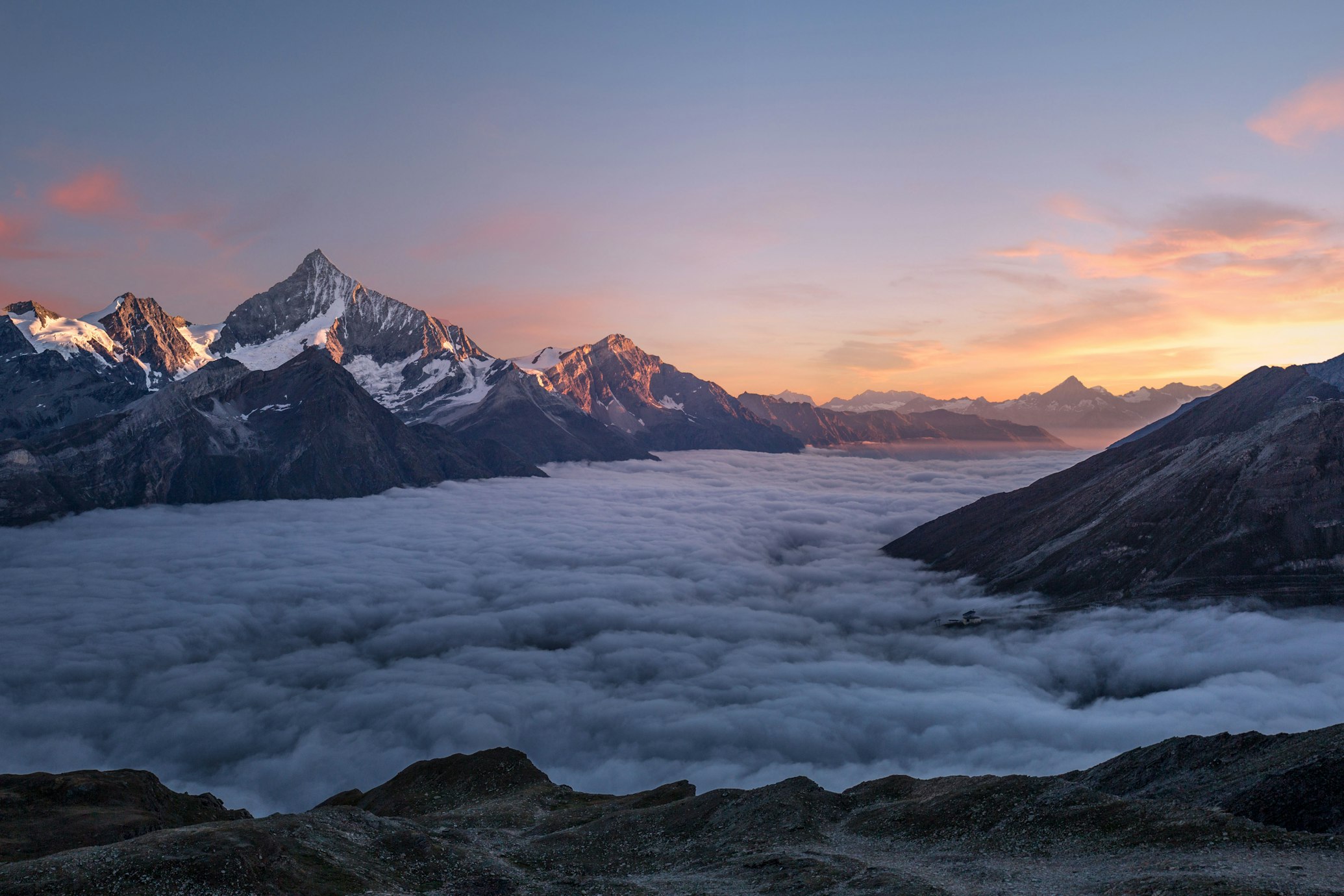
10 Essential Tips for Overlanding in the Himalayas
Overlanding in the Himalayas is a dream for many adventure enthusiasts. The stunning landscapes, challenging terrain, and rich cultural experiences make it an unforgettable journey. However, proper preparation is key to ensuring a safe and enjoyable trip.
1. Acclimatize Properly
High altitude sickness is a real concern when driving through the Himalayas. Take time to acclimatize, especially when crossing passes above 14,000 feet. Spend at least 2-3 days at intermediate altitudes before ascending higher.
2. Vehicle Preparation is Critical
Your vehicle is your lifeline in the mountains. Before setting off:
- Get a complete mechanical check-up
- Carry spare parts (air filters, fuel filters, belts)
- Install quality all-terrain tires
- Test all systems at altitude
3. Pack Emergency Supplies
Always carry:
- Emergency oxygen
- First aid kit with altitude sickness medication
- Extra fuel (stations can be far apart)
- Water purification tablets
- Emergency food supplies
4. Understand the Weather
Mountain weather can change rapidly. Check forecasts daily and be prepared to adjust your plans. The best seasons are typically May-June and September-October.
5. Respect Local Cultures
The Himalayan region is home to diverse cultures and traditions. Always:
- Ask permission before photographing people
- Dress modestly when visiting monasteries
- Learn basic local greetings
- Support local businesses
6. Navigation and Communication
- Download offline maps before starting
- Carry a physical map as backup
- Get a local SIM card for better connectivity
- Inform someone of your daily plans
7. Drive Defensively
Mountain roads require special driving skills:
- Use engine braking on descents
- Never rush or overtake on blind curves
- Watch for livestock on roads
- Be extra cautious in rain or snow
8. Manage Your Fuel
Fuel stations are sparse in remote areas. Never let your tank drop below half. Carry extra fuel in jerry cans when crossing remote stretches.
9. Stay Hydrated
At high altitudes, you lose moisture faster. Drink plenty of water even if you don’t feel thirsty. Avoid alcohol at high altitudes.
10. Be Flexible
Road conditions, weather, and permits can all cause delays. Build buffer days into your itinerary and maintain a flexible mindset.
Conclusion
Overlanding in the Himalayas is an adventure of a lifetime, but it requires careful planning and respect for the environment and local cultures. Follow these tips, and you’ll be well-prepared for an unforgettable journey.
Ready to start your Himalayan adventure? Contact us to plan your expedition!